Coquette Goose Christmas Embroidery: A Designer's Real-World Review
When I first opened the file for Coquette Goose Christmas Embroidery, my initial reaction wasn't about the stitch count or the technical specs. It was about the mood. There is a specific energy in a design that tells you exactly where it belongs, and this one screams cozy holiday gatherings and handmade gifts. As someone who has spent years evaluating digital assets for both personal projects and commercial boutique lines, I look for more than just a cute image; I need to know how it translates from a screen to a fabric surface.
This design isn't just another generic holiday motif. It brings a whimsical, slightly playful personality that fits perfectly into the current trend of "cottage core" aesthetics mixed with traditional winter warmth. The layout feels balanced, suggesting it was created with an eye for how the human brain processes visual information on curved surfaces like sweatshirts or flat planes like kitchen towels.
The First Stitch: Visual Personality and Layout
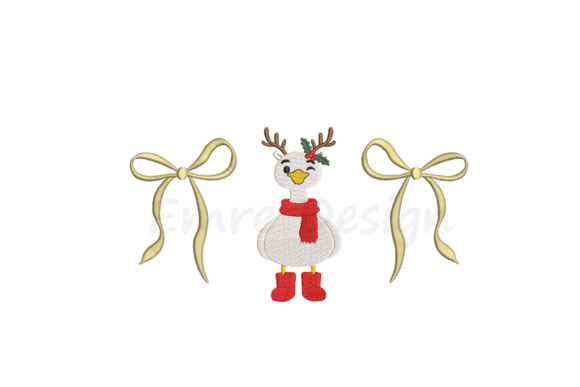
The moment you visualize this as a finished product, you can see it working on a variety of items. The character work seems to rely heavily on clean lines, which is excellent for clarity. In the world of machine embroidery design, detail is often the enemy if the hoop size is too small, but here the balance between the satin stitch areas and the fill stitch sections suggests a design that holds up well under scrutiny.
I immediately pictured this on a cream-colored canvas tote bag for a holiday market stall. The contrast would pop without being overwhelming. The "coquette" style implies softness and charm, likely utilizing softer curves rather than sharp angles. This makes it ideal for baby embroidery projects, such as onesies or nursery wall hangings, where harsh lines might feel out of place. However, before committing to a full production run, any savvy Etsy seller or small shop owner knows that you must test the stitch density. If the goose features are too dense, the fabric might pucker, ruining the delicate aesthetic we are aiming for.
Real-Life Application: From Screen to Shelf
Let's talk about a real scenario. Imagine you are preparing a batch of custom holiday aprons for a local craft fair. You want something that customers will recognize instantly as festive but unique enough to stand out against the sea of reindeer and snowmen. Coquette Goose Christmas Embroidery offers that distinction. It feels personal, almost like a signature stamp on a handmade product.
For custom apparel, specifically sweatshirts, this design shines. The whimsical nature of the goose pairs beautifully with chunky knits. When stitching onto a fleece or cotton-blend sweater, the design needs to sit comfortably within the grain of the fabric. I recommend using a tear-away stabilizer to ensure the threads don't pull the knit material out of shape. If you are selling these as commercial embroidery pieces, the perceived value increases significantly when the embroidery looks crisp and professional.
Consider also the potential for embroidered patch applications. If you have access to a machine capable of cutting out applique shapes, this design could be adapted into a detachable badge for denim jackets or beanies. The running stitch details, if present, would add texture that mimics hand-stitched quality, elevating the item from a mass-produced good to a personalized gift worthy of a high price point.
Where Caution is Required
While the design is charming, no single file is perfect for every situation. There are specific contexts where Coquette Goose Christmas Embroidery might struggle if not handled with care. For instance, attempting to stitch this on a small hoop size (like 4x4 inches) could result in clipping important details. If the goose has intricate feathers or facial expressions, reducing the scale might blur those features, making the final product look muddy rather than detailed.
Textured fabrics are another area to watch. While the design works wonders on smooth cottons and linens, applying it to heavy terry cloth or boucle wool requires a different approach. The needle might struggle to penetrate thick loops, leading to skipped stitches. Similarly, stretchy fabrics like jersey require a strong stabilizer strategy, perhaps even a water-soluble top stabilizer to prevent the design from distorting during the washing process.
Dark fabrics present a unique challenge. Unless the thread colors chosen provide high contrast, the design could get lost in the background. I advise testing the color palette on scrap fabric first. If you plan to use white or light pastel threads on a navy hoodie, ensure the underlay stitches are sufficient to cover the dark base. Otherwise, the final finished product may lack the vibrancy needed to catch a customer's eye in a printable mockup or in person.
Impact on Brand and Customer Trust
In the competitive landscape of craft business and online marketplaces, the quality of your design assets directly impacts buyer engagement. A sloppy stitch job or a design that doesn't align with your brand's voice can erode trust. Coquette Goose Christmas Embroidery, executed correctly, signals attention to detail. It tells the customer that you care about the presentation.
When a buyer receives a holiday gift featuring this design, they aren't just receiving a piece of fabric; they are receiving a curated experience. The whimsical theme invites conversation. It breaks the monotony of standard holiday decor. For a digital product seller, offering this as part of a larger collection can drive sales, provided the file formats are compatible with popular machines. Always verify the file formats included in your download before listing them as digital embroidery files.
Practical Notes for the Design Reviewer
Before you load this into your machine for your next big project, keep these practical tips in mind. First, always test on scrap fabric. This simple step saves hours of frustration and wasted materials. Check the thread colors against your intended background. Sometimes a color that looks great on a monitor appears dull in thread form.
Review the hoop size requirements carefully. If the design exceeds your machine's capabilities, you may need to split the design or adjust the scaling. Inspect the small details closely; tiny elements like eyes or beaks can sometimes get lost if the stitch density is too low. Also, consider whether the design works for both personal use and commercial projects. Licensing terms vary wildly, so confirm your rights before selling small shop products featuring this artwork.
If you are creating apparel decorators or boutique branding materials, ensure the design aligns with your overall aesthetic. Does the playful tone of the goose match your brand's voice? If yes, proceed with confidence. If not, you might find it clashes with a more minimalist or luxury positioning.
Finally, remember that the best embroidery project is one that accounts for the wear and tear of daily life. Will the item be washed frequently? If so, secure the edges properly and choose durable threads. A tote bag design used for groceries needs to withstand friction, while a pillow cover might only need occasional cleaning. Tailor your stabilization and thread choice to the end-use.
In conclusion, Coquette Goose Christmas Embroidery is a versatile and charming addition to any designer's library. It offers a blend of whimsy and structure that fits seamlessly into the holiday season. Whether you are a hobbyist looking to make a special gift or a seasoned entrepreneur expanding your catalog, this design provides a solid foundation for creating memorable, high-quality items. Just remember to respect the limitations of the medium, test thoroughly, and let the creativity flow.